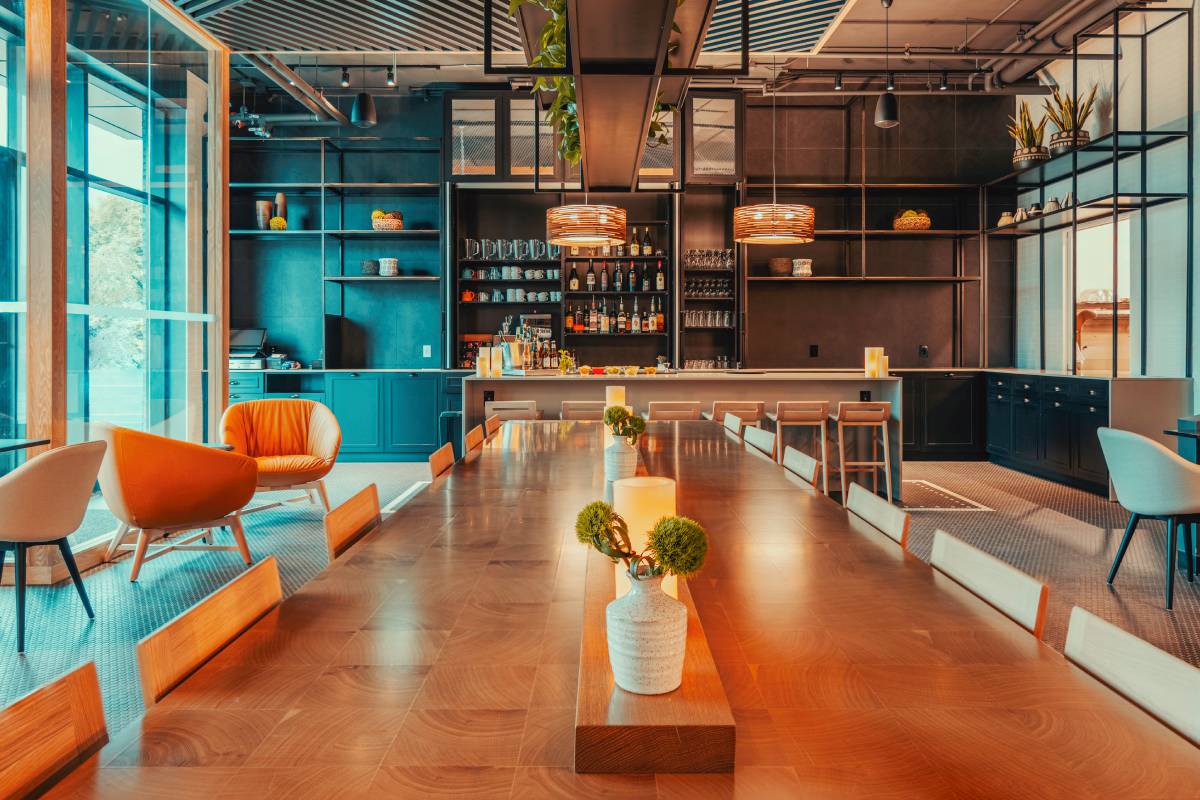
What Are Commercial Fitouts? Everything You Need to Know

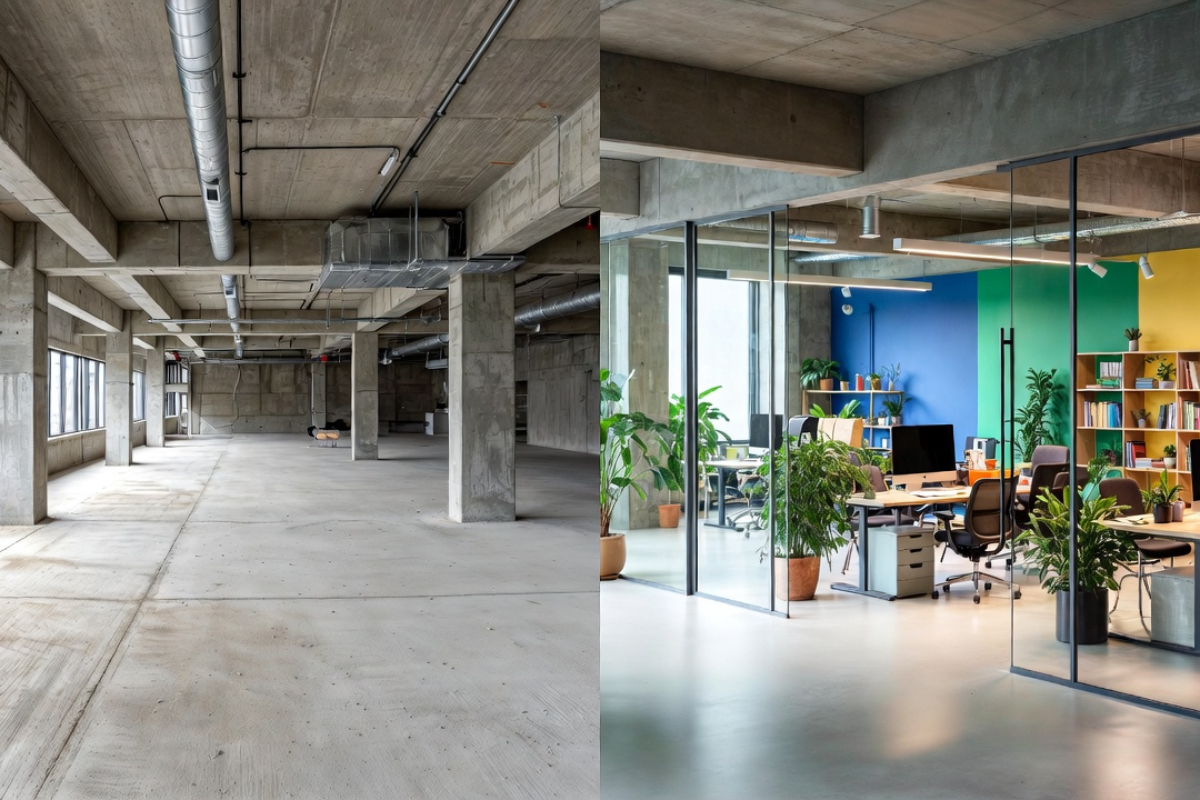
You’ve just signed the lease on a new commercial space. It’s an exciting milestone for your business. But when you walk through the doors, reality hits hard. There are bare concrete floors, exposed wires hanging from the ceiling, and zero personality. It doesn’t look like a headquarters; it looks like a parking garage.
How do you bridge the gap between this cold, empty shell and the vibrant, productive workspace you envisioned?
The answer lies in commercial fitouts. Whether you are opening a new office, a retail store, or a hospitality venue, understanding the fitout process is the difference between a project that drains your budget and one that accelerates your business growth.
In this guide, I’ll walk you through exactly what a fitout is, the jargon you need to know (Cat A vs. Cat B), and how to execute one flawlessly.
1. The Definition: What Actually is a Commercial Fitout?
A commercial fitout is the process of making an interior space suitable for occupation. It involves developing a space from a “shell” state (concrete floors and walls) into a fully functional working environment. This includes installing partitions, flooring, lighting, mechanical systems, and furniture tailored to the tenant’s specific needs.
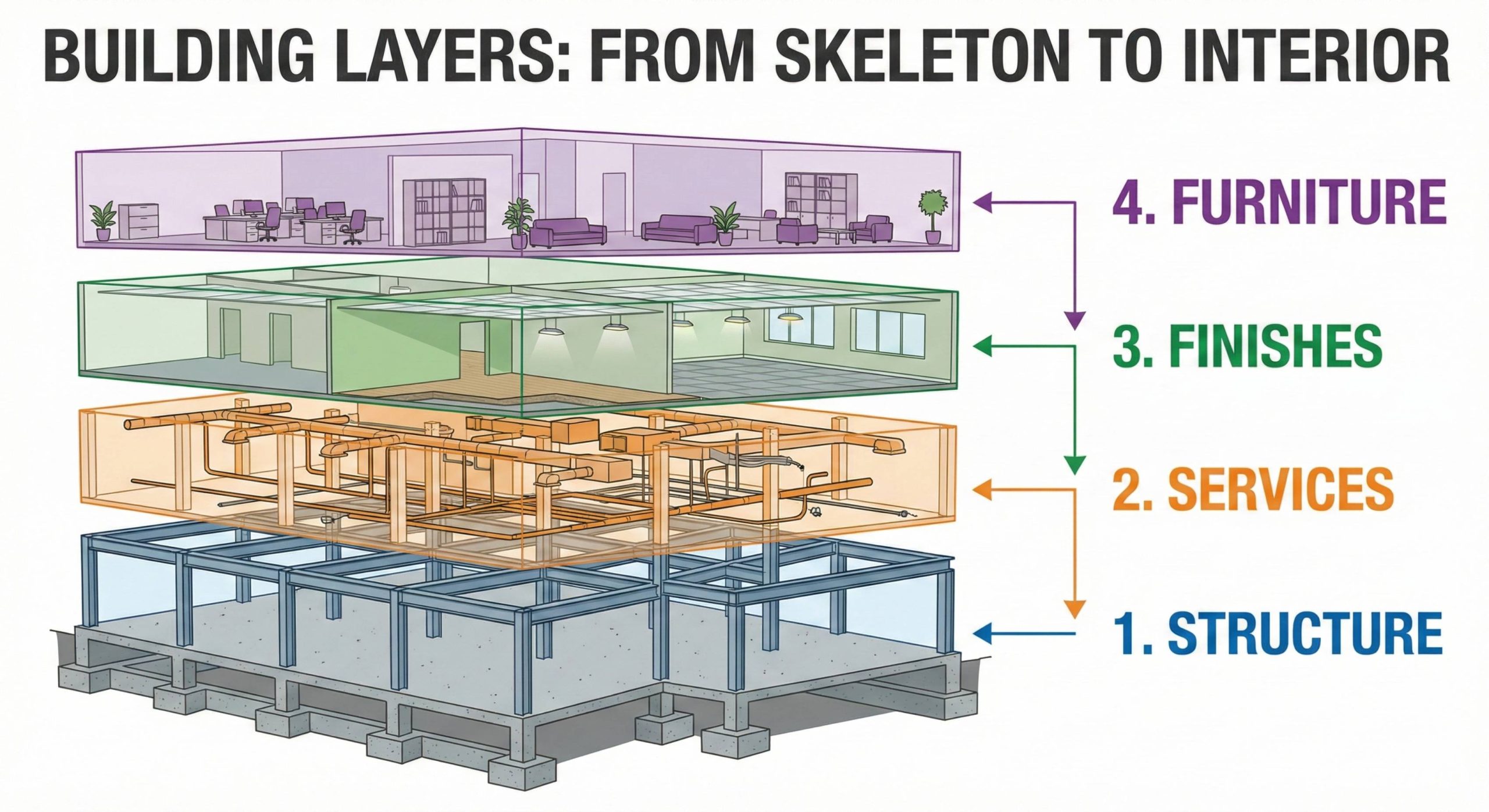
Unlike a structural build (which is about the building’s skeleton), a fitout is about the inhabitable interior. Think of the building as the hardware and the fitout as the software that makes it run.
2. The 3 Critical Stages: Shell & Core, Cat A, and Cat B
If you take one thing away from this article, let it be this section. In the commercial property world, fitouts are categorized into three distinct levels. Misunderstanding these can lead to massive budget blowouts.
Shell and Core
This is the bare minimum. The building looks finished from the outside, but inside, it is raw.
- Includes: Concrete structure, lift shafts, lobbies, and external cladding.
- Who pays? The developer/landlord.
Category A (Cat A)
This is usually how a landlord rents a space to a tenant. It is a “blank canvas.”
- Includes: Raised floors, suspended ceilings, basic mechanical and electrical services (HVAC), and fire detection systems.
- The Vibe: Functional but sterile. No offices, no meeting rooms, no personality.
Category B (Cat B)
This is where you come in. Cat B is the process of tailoring the space to your specific business culture and needs.
- Includes: Internal partitioning (offices/meeting rooms), kitchen installation, branding, furniture, IT infrastructure, and specialized lighting. A well-designed kitchen isn’t just a place to grab water; it becomes a social hub capable of hosting team events like a weekly corporate breakfast, which effectively boosts staff morale and collaboration.
- The Vibe: A finished, “move-in ready” home for your business.
Quick Comparison: Cat A vs. Cat B
| Feature | Category A (Landlord) | Category B (Tenant) |
| Primary Goal | Marketable to any tenant | Tailored to your business |
| Flooring | Basic raised access floors | Carpets, timber, or vinyl finishes |
| Partitioning | None (Open plan) | Meeting rooms, offices, breakout zones |
| Kitchen/Pantry | None | Fully installed kitchen/tea points |
| Branding | None | Wall graphics, signage, brand colors |
Expert Insight: The “Turnkey” Trap
Be careful when a landlord offers a “Turnkey” solution. This usually means they handle the Cat B fitout for you. While convenient, it often means you get generic, lower-quality materials and less control over the design. If your brand identity is strong, always advocate for your own Cat B fitout team.
3. Renovation vs. Fitout: What’s the Difference?
People often use these terms interchangeably, but they are different technically.
- Fitout: Developing a new space that has never been occupied or has been stripped back to its shell. It is about creation.
- Renovation (or Refurbishment): Updating an existing space. This might involve stripping out old carpets, knocking down a few walls, or painting. It is about restoration or improvement.
If you are still weighing up the financial pros and cons of staying put versus moving, it is worth exploring the specific trade-offs between office fitouts vs. refurbishing to ensure you make the right strategic decision.
Why does this matter? The permits, costs, and timelines for a full fitout are significantly higher than for a simple renovation.
4. The Commercial Fitout Process Step-by-Step
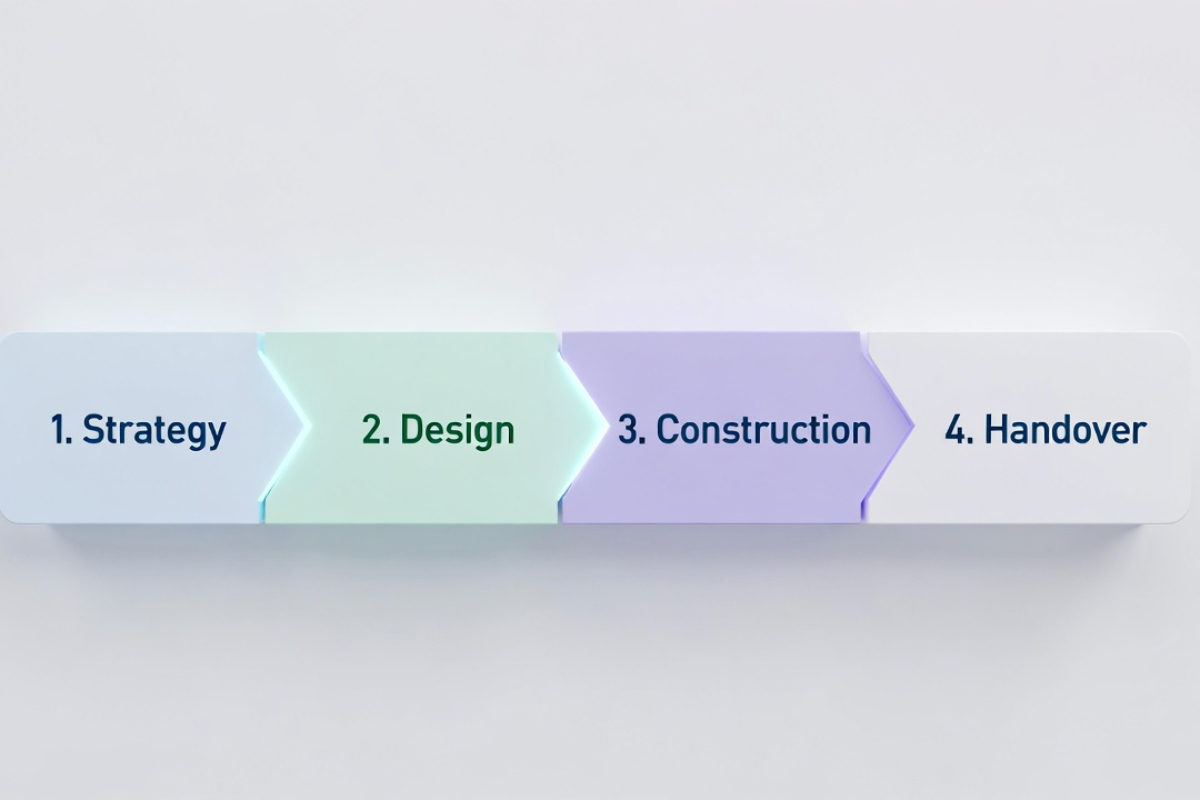
A successful fitout doesn’t happen by accident. It follows a rigorous workflow.
Step 1: Needs Analysis & Strategy
Before drawing a single line, ask: How do we work? Do we need quiet pods? A collaborative amphitheater? This is where Workplace Strategy comes into play.
Step 2: Design & Space Planning
Your interior architects create the “Test Fit”—a 2D layout to see if you actually fit in the building. Once approved, they move to 3D renders.
Step 3: Approvals & Compliance
You cannot build without permission. This stage involves landlord approval and local council certification (CDC or DA).
Step 4: Construction
The noisy part. Contractors build partitions, lay flooring, and install data cabling.
Step 5: Defecting & Handover
The “Practical Completion” walk-through. You inspect the site for any scuffs or issues (defects) before the final keys are handed over.
Conclusion: Don’t Just Build an Office, Build an Asset
A commercial fitout is a significant capital expenditure, but viewed correctly, it’s an investment in your people. A well-designed fitout reduces staff turnover, boosts productivity, and impresses clients the moment they step off the elevator.
Don’t settle for a beige box. Whether you need a Cat A upgrade or a full Cat B transformation, the key is planning.
Ready to transform your empty shell into a powerhouse workspace?
At Pro Plaster N Paint, we specialize in delivering high-quality commercial finishes that stand the test of time. Contact us today to discuss your project and get started on the right foot.